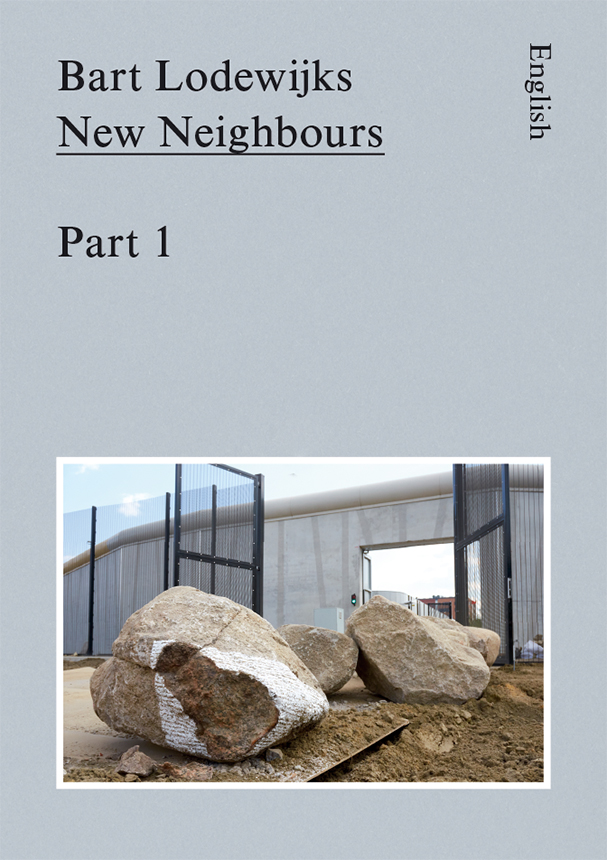
Prison of Haren, Brussels, 2024
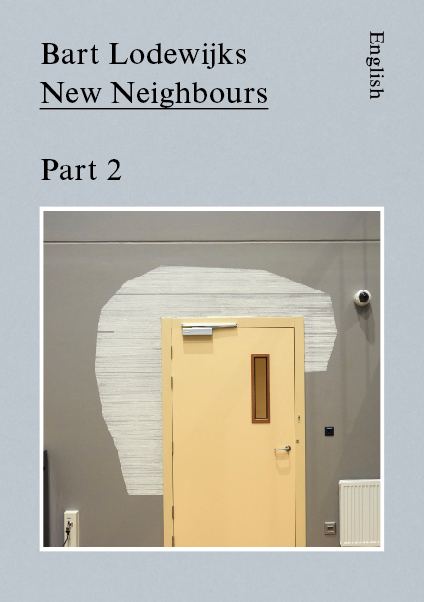
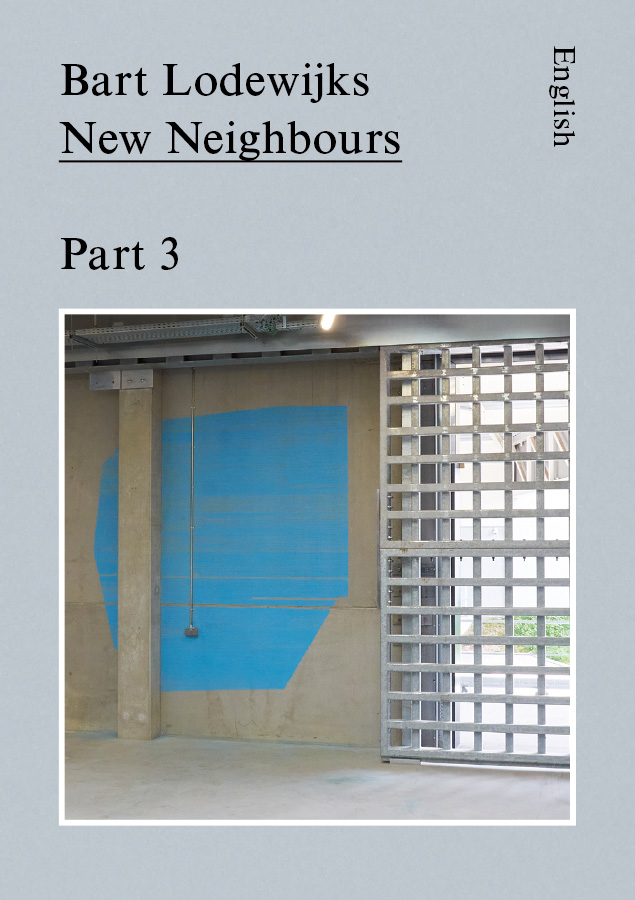
A year ago I received a curious phone call from someone wanting to know if I’d be interested in making chalk drawings in Belgium’s newest prison. When I arrive, though, it’s nothing but a construction site, so the first drawings I do are along Witloofstraat, the street the prison is located on. I soon become acquainted with the slick landlord Jean-Pierre, the parcel delivery man Fred, his twelve-year-old daughter, Laurence, and a cantankerous orange mutton chops that lives in the bushes. The local residents are concerned about the pending arrival of twelve hundred prisoners, the new neighbours they will never get a chance to meet. Fourteen months later the inmates arrive in vans with bulletproof glass. I go inside with the first group of them. It is a lovely summer afternoon, no razor wire or hanging power lines in sight. I cannot wait to draw on the most feared wall of them all, the wall of walls, to breach the line separating good from evil.
Click on an image to open the e-book:
De Panne, 2023
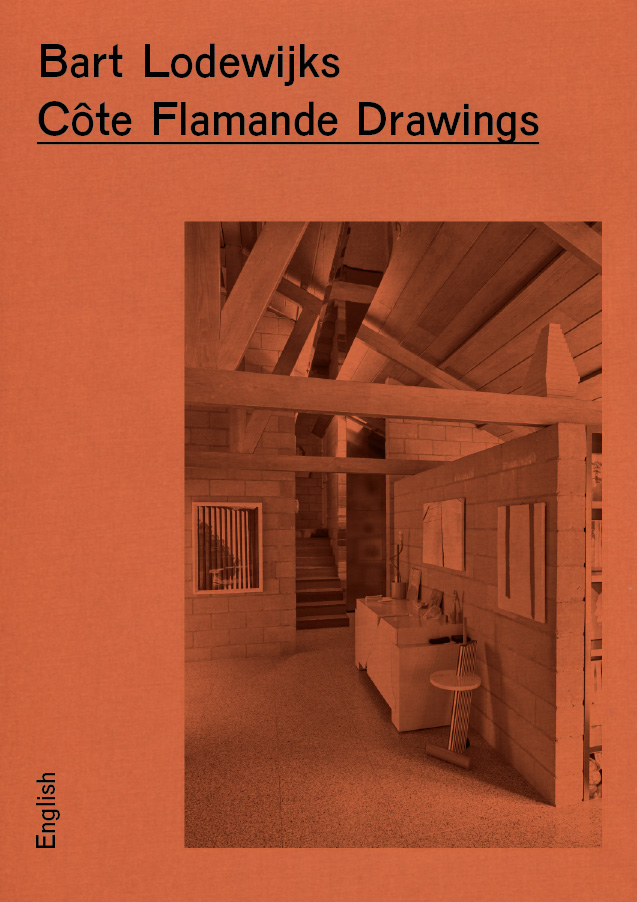
In the heat of the summer, I do a wall drawing in a bungalow on the Flemish coast. The owners, Pierre and Charlotte, ply me with coffee and local delicacies. Their reading table is covered in books and a group of hand-tame rabbits nibble on the marram grass outside. It is so completely different here than in the working class neighbourhoods I usually draw in. On the walls in the living room are paintings by Raveel, Delvaux and Tuymans. The house is tastefully decorated and extremely quiet. I am a bit creeped out by the man staring out from the Tuymans painting. Then one of Pierre’s friends tells me I need to engage in a dialogue with the painting, pretend the house is a street and the painting just another resident. It’s exactly the push I need to embark on this tale.
Click on the image to open the e-book:
Ruisbroek, 2023
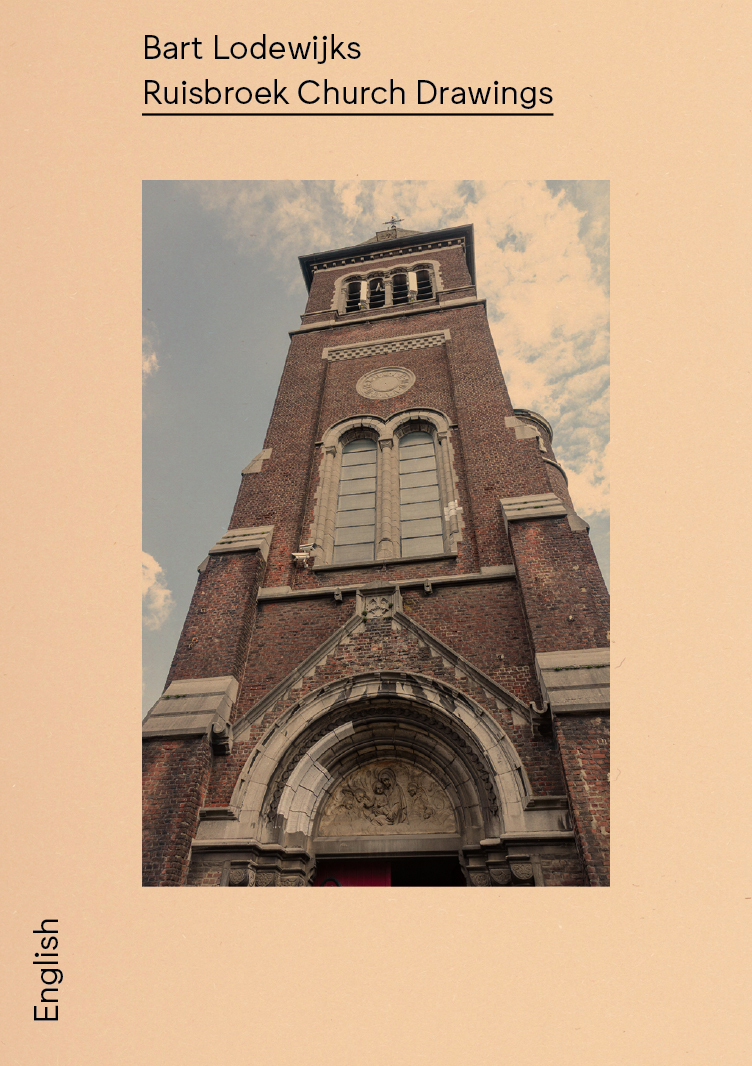
3 July 2023: The sun casts dancing shadows of trees on the longitudinal wall in an oasis of peace and tranquillity. As I stand back to get a good view of the building, the late afternoon sun flickers in the windowpanes, as if winking at the world, making my heart speed up a bit. I feel the urge to set something in motion that will benefit the place. While I may never have found religious inspiration over the years, I wouldn’t say sacred spaces leave me cold. I decide it’s best to not draw on the building immediately and instead adopt some diversionary tactics. Maybe this slight hesitation will yield greater insight than jumping right in. After all, the building has so many lines and planes it’s like a giant playground. You really have to know your stuff to add anything to it.
Click on the image to open the e-book:
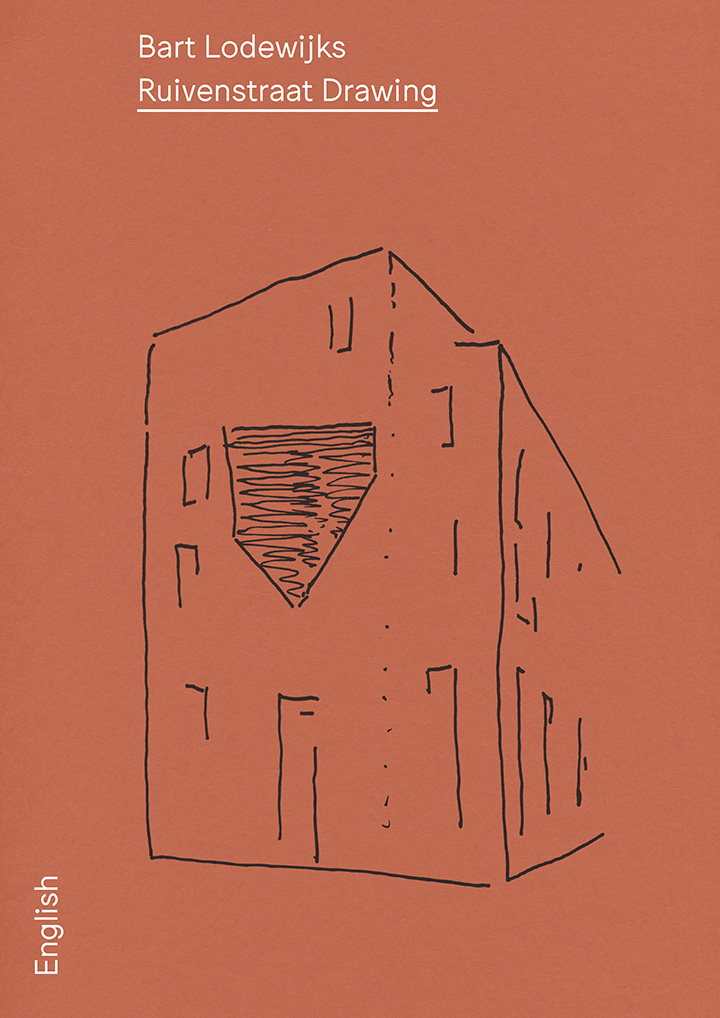
To the residents of Ruivenstraat and the surrounding streets, passersby and neighbourhood children:
Thursday, 2 June 2022
I walk along your street in high spirits, eager to get down to business. This is the day the chalk drawing I’ve been envisioning for so long I could draw it by heart will finally be freed from the pages of my sketchbook. But unfortunately it’s not that simple. The boom lift I’ve ordered – an ultramodern, shiny turquoise dinosaur parked by the rental company on the pavement – refuses to work. And I need it to tackle your thirteen-metre-high apartment building.
The facade I plan to draw chalk lines on is a towering wall of red brick with deep grouting. On top of that, the bricks have grooves in them, which will make drawing on them difficult. I won’t be able to apply the lines of chalk in long smooth strokes but will have to press into the bricks, deep into the pores, until my bones ache.
Even after I receive instructions from the rental company by phone, the machine persists in its stubborn resistance. They’re going to have to send out a specialist. That fine man could arrive any minute… or it could take a few hours. So, to pass the time in comfort, I grab a chair from one of your front gardens and place it on the pavement next to the green monster, as if it’s my pet.
Click on the image to open the e-book:
A small history in large print
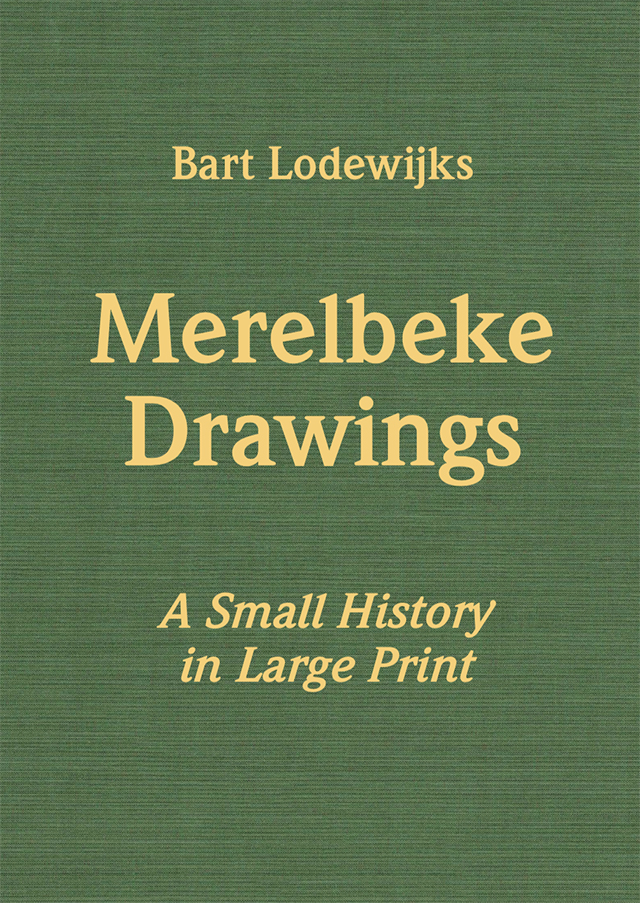
In early February 2020 I do chalk drawings in the rooms and hallways of the old nursing home in Merelbeke. The next month the pandemic breaks out and the care facility is shut completely off from the outside world. I continue drawing in that outside world, in the places where the nursing home residents lived and worked. Meanwhile the residents are moved into a brand-new building. As soon as the new facility is open for visitors, I continue my drawings there.
Maurice is grieving the loss of his wife, but he cheers up when I tell him about drawing on one of the bunkers in Munte, the place where he spent his working life as a radio operator and married Marieleintje. ‘If only you had done a drawing there on our wedding day, but you’re 53 years too late,’ he says, before sinking back into his grief.
To console him, I say, ‘All the chalk drawings are going to appear in a book. I’ve written a story to go with them, including about the drawings I made in your old room and at Munte.’ ‘I can barely still read,’ he sighs. ‘I’m going to make a large print book for you,’ I promise, ‘so that you don’t have to be annoyed about the small print anymore.’
Click on the image to open the e-book:
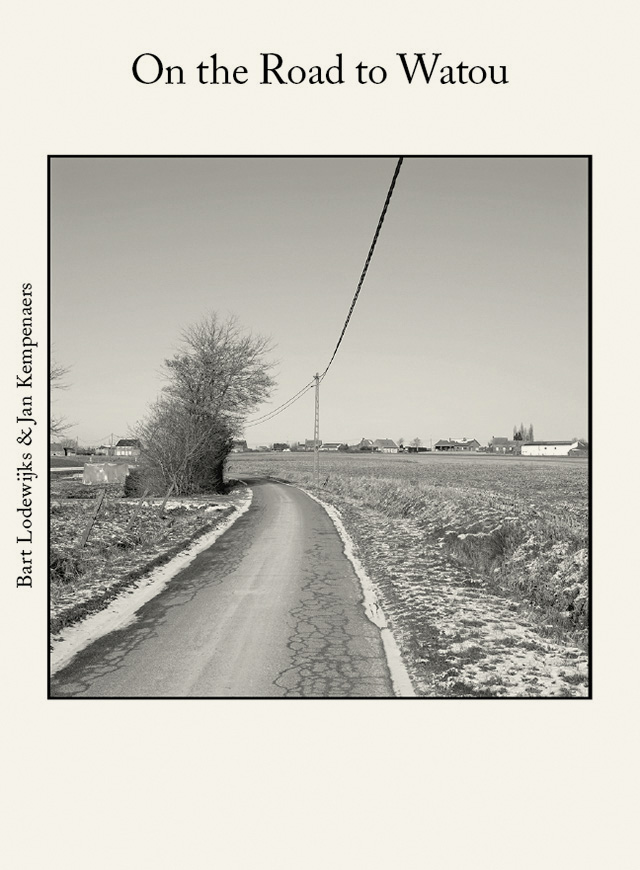
In early January 2021 the photographer Jan Kempenaers and I comb through the town of Watou despite the fact that it’s much too cold to be outside. On the far outskirts of town, along Dodemanstraat, we spot a dilapidated farm and I decide to draw on the barn. The level I press against the wall to draw the chalk lines along feels like a block of ice. Jan is photographing the drawings but also documenting the surroundings.
We are surprised to find two old people inside the barn. Marleen and Raymond are a brother and sister who have lived their entire lives in what must have once been a splendid farmstead. They’re sitting at a kitchen table next to a gas heater and listening to the radio, illuminated by a fluorescent light. Raymond is talking about the poor onion harvest and the poultry farm around the corner that emits so much ammonia, but he’s not complaining. A man after my own heart.
Months later I visit Marleen and Raymond again in the summer. It’s hot and the door to the barn is open. Raymond is amazed to see me. ‘We heard you on Radio 1,’ he says. ‘It was like you were sitting right here at the table with us. They had mentioned on the radio that they would be talking about the festival in Watou and we said to each other that we’d get to hear from Bart. But when we actually heard your voice, we were still a bit surprised because we’d only meant it as a joke.’ He smiles at me. ‘We don’t receive many visitors here. You two are the first from the festival to make it out this far.’ ‘Have you been to the festival yourselves?’ I ask. Marleen shakes her head and serves the coffee. I pull a copy of the newspaper Jan and I made about Watou out of my bag and give it to her.
Click on the image to open the e-book:
Click on the image to open the e-book:
Click on an image to open the e-book:
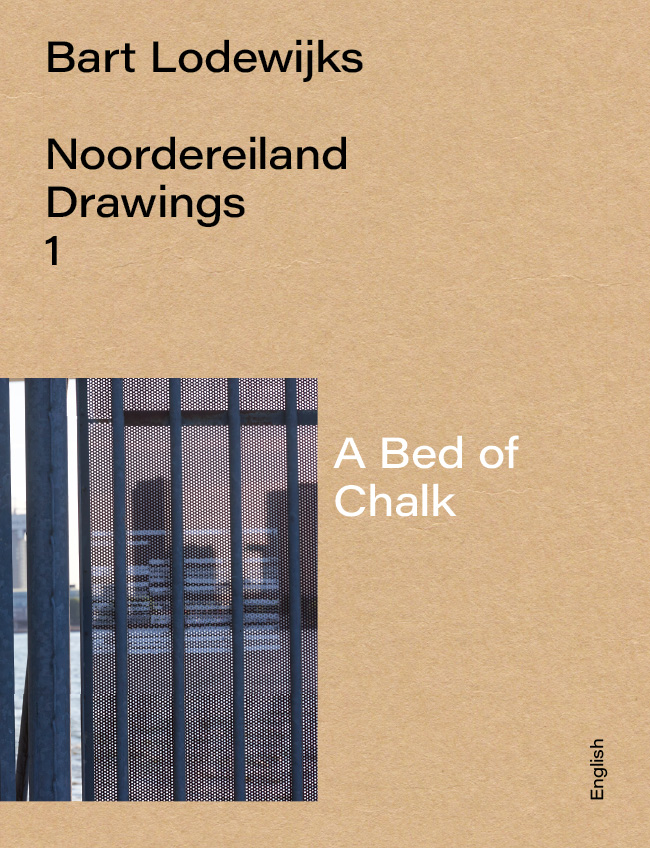
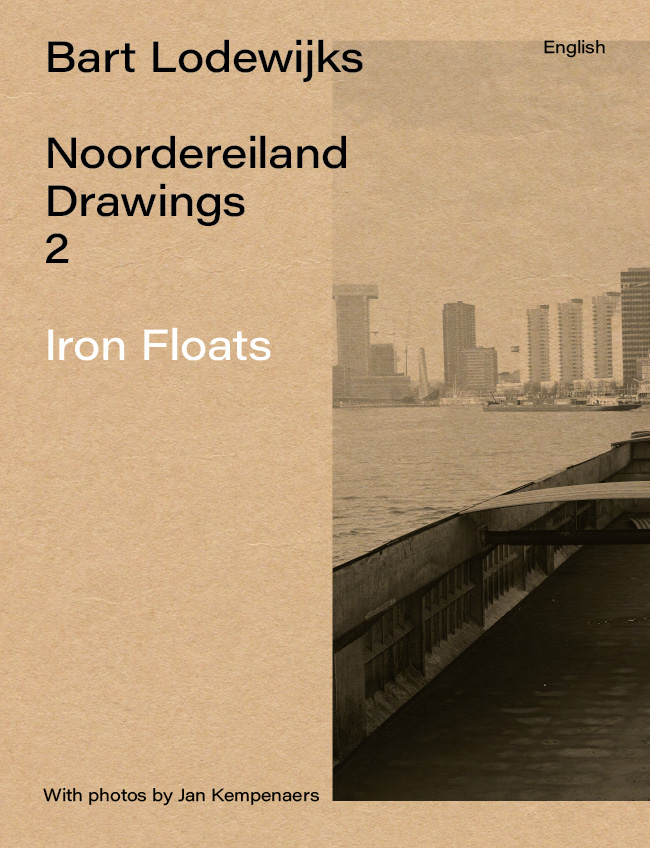
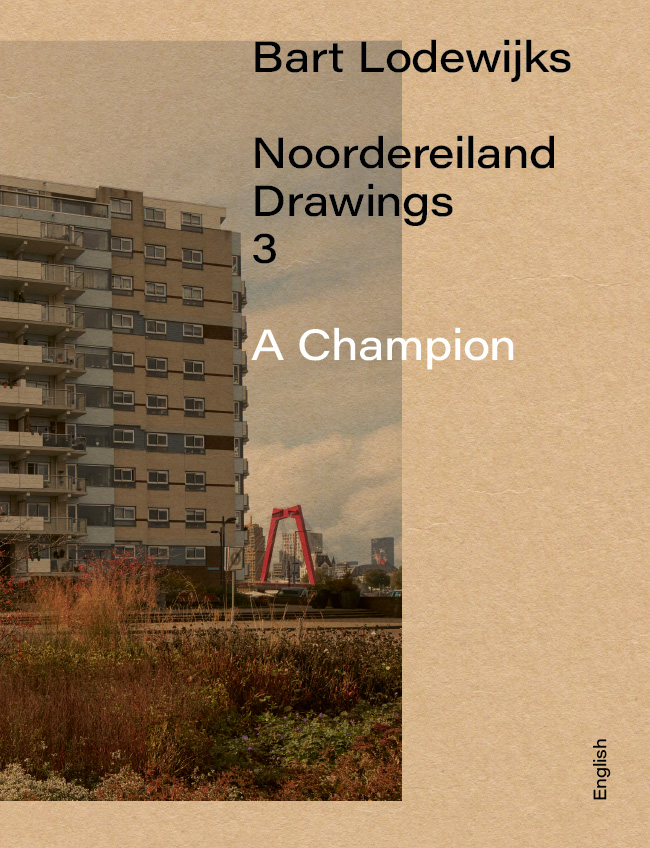
Click on the image to start the slide show:
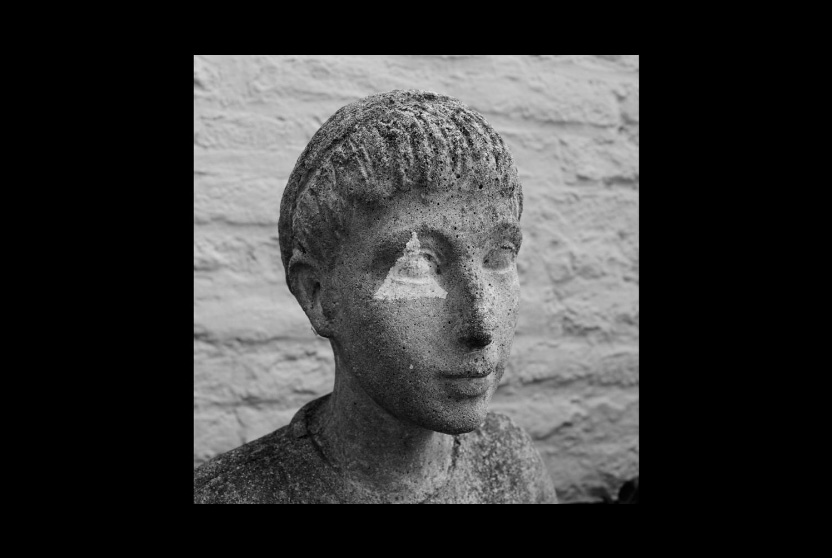
Click on the image to open the e-book:
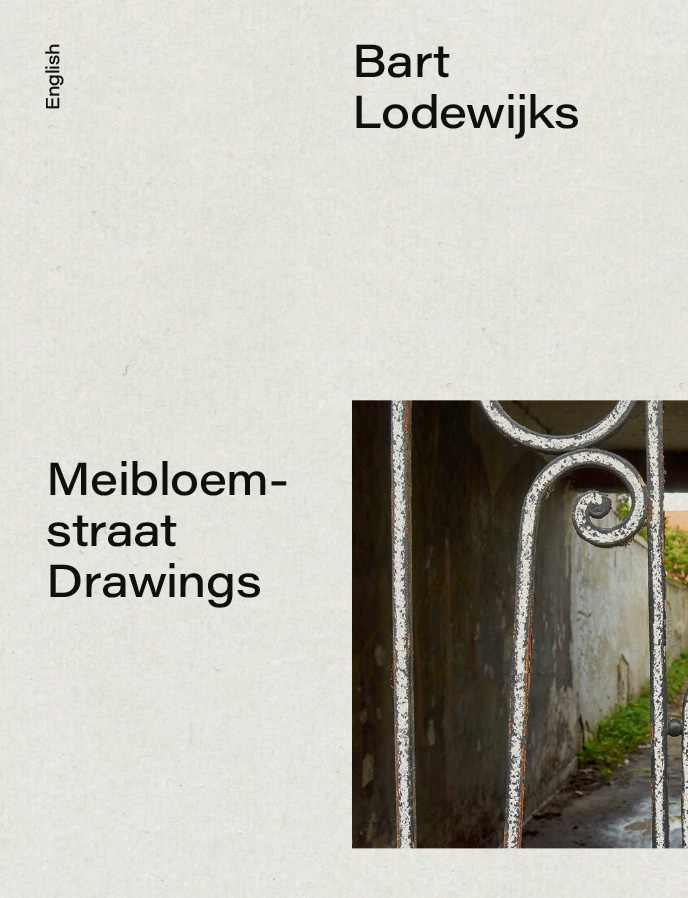
Click on an image to open the e-book:
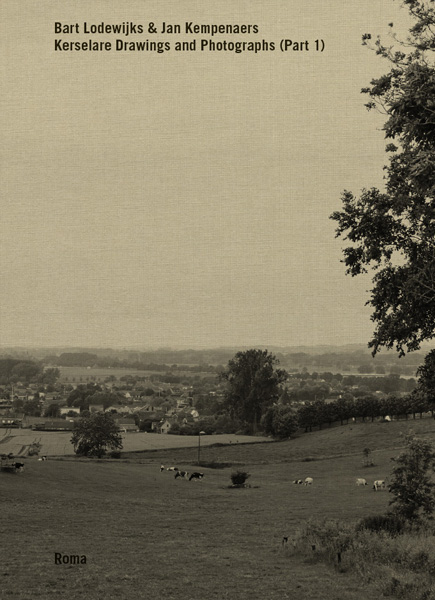
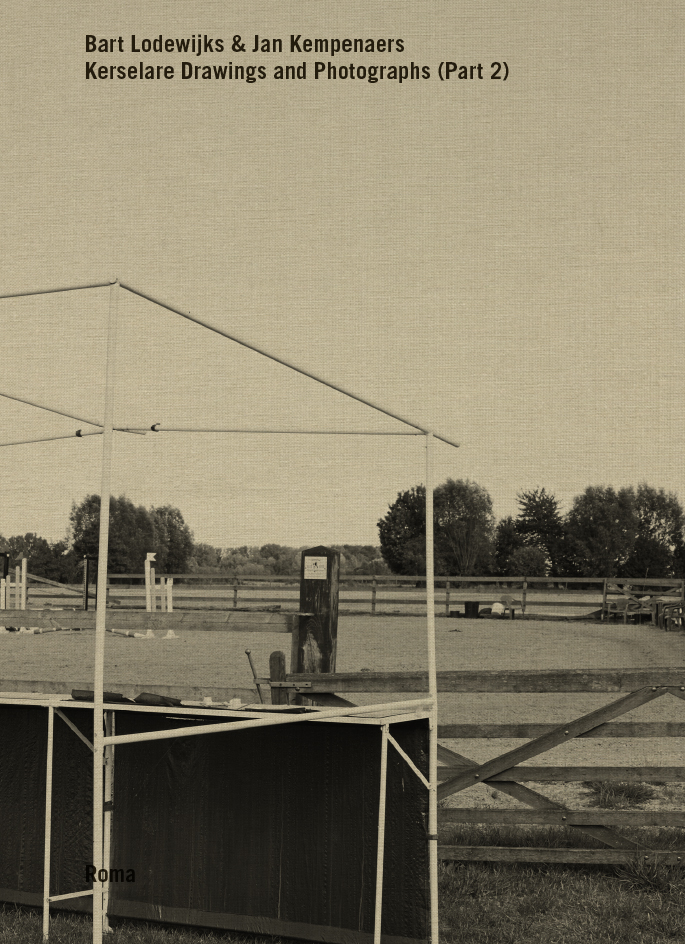
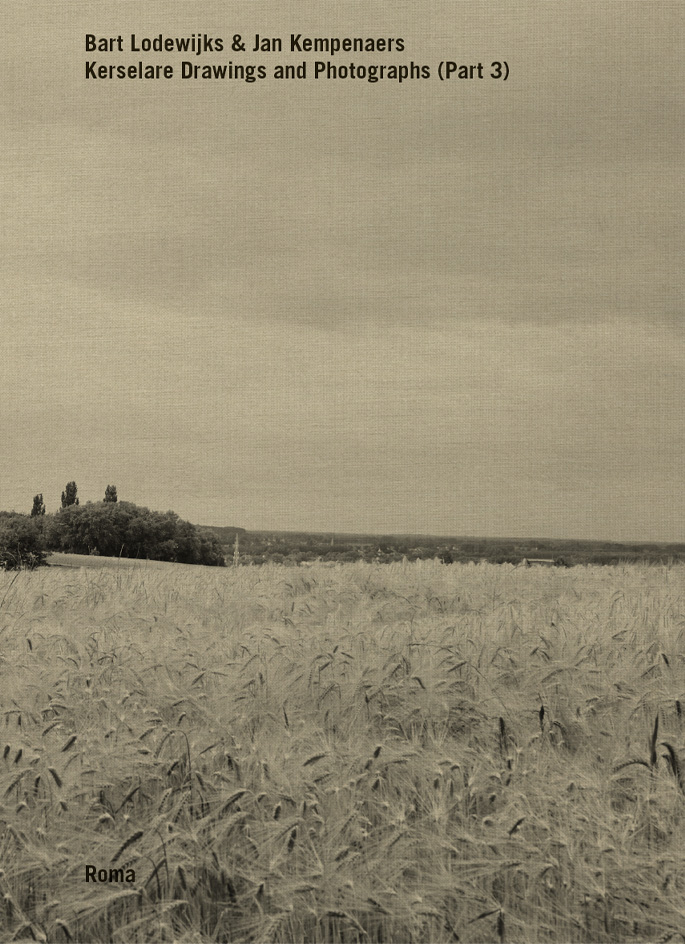
Click on an image to open the e-book:
‘Sure. Send it on through. You could set out an iPad at the exhibition or print it out in large format to hang on the wall. I can definitely get it on the site by 7 April in any event.’
Click on the image to open the e-book:
‘Hey Bart, Beautiful start! Maybe we can turn it into a series of Roma-ebooks?’
Click on an image to open the e-book: